
By David Shepardson
WASHINGTON, Dec 17 (Reuters) – The U.S. Senate unanimously passed legislation Wednesday to toughen military helicopter safety rules and rescind a provision in the annual defense bill that critics said would have weakened aviation safety.
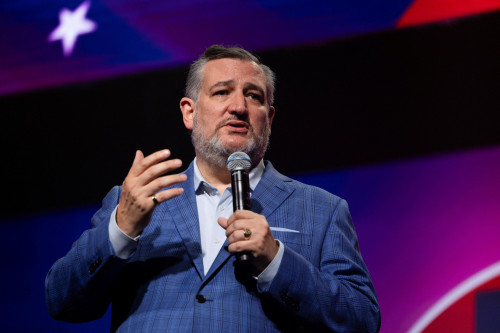
Republican Senate Commerce Committee chair Ted Cruz on Wednesday won unanimous consent to approve a revised version of legislation that would require aircraft operators by the end of 2031 to equip their fleets with an automatic dependent surveillance-broadcast system, also known as ADS-B. The bill, co-sponsored by Democratic Senator Maria Cantwell, also boosts oversight of commercial jet and helicopter traffic and flight routes near commercial airports.
Cantwell said the act “ends the exemption for planes to be in the airspace without a broadcast signal that includes the military, so no more flying in the dark.”
The bill will still need to be approved by the U.S. House of Representatives. The Pentagon said it supported the legislation.
The Army Black Hawk helicopter involved in the crash was flying above maximum altitude levels and not broadcasting ADS-B at the time. Other incidents have also sparked alarm. On Friday, a JetBlue passenger jet bound for New York from the Caribbean nation of Curacao took evasive action to avoid a mid-air collision with a U.S. Air Force tanker plane near Venezuela that was not using a transponder in a commercial air corridor.
After a close call in May, the Federal Aviation Administration barred the Army from helicopter flights around the Pentagon. The defense bill would require U.S. military helicopters on training missions to broadcast alerts to nearby commercial aviation aircraft, but does not specify the type of alerts. The Defense Department could waive the requirement if a risk assessment had been completed and those risks to commercial planes could be addressed.
National Transportation Safety Board Chair Jennifer Homendy has called the defense bill helicopter proposal “an unacceptable risk to the flying public” and warned she could not vouch for the safety of the Washington airspace if the defense provision took effect.
Families of those killed in the January 29 collision oppose the language in the defense bill. In a statement, they called for “real, enforceable visibility standards for all military aircraft operating near civilian traffic.”
FAA Administrator Bryan Bedford said Tuesday he would ensure the safety of the airspace and traffic if the defense provision took effect. But he said the FAA was not consulted on the provision.
(Reporting by David Shepardson in Washington; Editing by Chris Reese and David Gregorio)
About the Author