By Robert Harvey and Stephanie Kelly
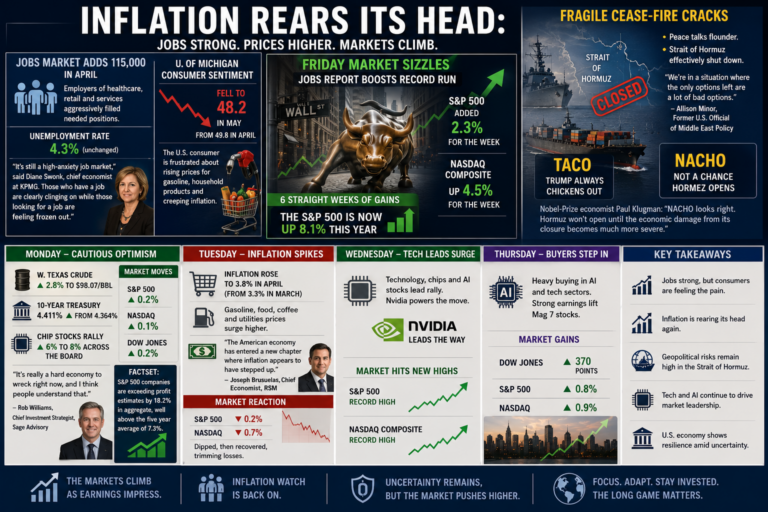
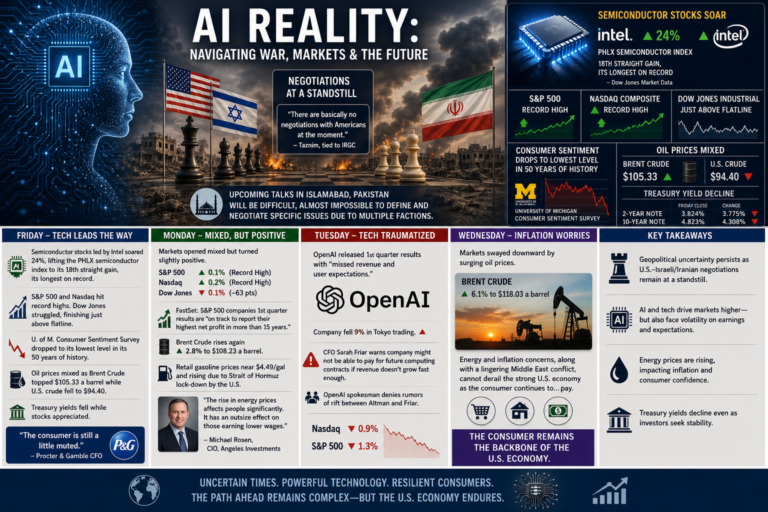
LONDON, Feb 13 (Reuters) – Oil prices steadied on Friday after U.S. inflation data, recovering from an earlier dip on news that OPEC+ is leaning towards a resumption in production increases.
Brent crude futures gained 9 cents, or 0.13%, to $67.61 a barrel by 1424 GMT. U.S. West Texas Intermediate crude was unchanged from the previous close at $62.84 at the same time.
Both oil benchmarks were headed for weekly declines after incurring near 3% losses on Thursday. Brent was headed for a 0.6% weekly loss, and WTI 1.1%.
Prices fell earlier in the session as investors reacted to a Reuters report that OPEC is leaning towards a resumption in oil output increases from April, ahead of upcoming peak summer fuel demand, and amid firmer crude prices owing to tensions over U.S.-Iran relations.
“OPEC’s intentions on production changes always attract some attention, especially when it’s not expected,” Saxo Bank analyst Ole Hansen said.
Brent futures touched their intra-day low nadir of $66.89 per barrel on the news, but then recovered.
The price recovery was driven by U.S. consumer price data, which could support further rate cuts in the U.S. and boost risk-taking appetite, according to UBS analyst Giovanni Staunovo.
U.S. consumer prices increased less than expected in January, data showed.
Oil prices had strengthened earlier in the week on concerns that the U.S. could attack Middle Eastern oil producer Iran over its nuclear programme. But comments on Thursday from U.S. President Donald Trump that the U.S. could make a deal with Iran over the next month drove down prices on Thursday.
Away from the Middle East, Russia said on Friday that the next round of peace talks on Ukraine will take place next week.
The U.S. Treasury will issue more allowances easing sanctions on Venezuelan energy this week, a White House energy official said on Thursday.
U.S. Secretary of Energy Chris Wright said on Thursday that U.S.-controlled oil sales from Venezuela have totalled more than $1 billion since the capture of President Nicolas Maduro in January and will bring in a further $5 billion in the next few months.
(Reporting by Robert Harvey, Stephanie Kelly, Sam Li, Lewis Jackson and Sudarshan VaradhanEditing by David Goodman and Susan Fenton)
About the Author