
May 30, 2026
AI Bottlenecks Now Steering on Wall Street
Featured: Ozempic’s shadow keeps stretching
Editor’s Note: For three decades, veteran analyst Eric Fry has built his track record by identifying what Wall Street’s biggest winners need before they need it. Today he’s issuing a rare public warning to every Mag 7 holder – and naming the one “mission-critical” company Nvidia just placed a multibillion-dollar bet on. Watch his full briefing here or read his open letter below.
Dear Reader,
If you own Nvidia, Microsoft, Amazon, Meta, Apple, Alphabet, or Tesla…
I’m urging you to take this warning seriously.
The AI boom is running into a problem that Wall Street has badly underestimated:
Physical reality.
Bottlenecks like power… cooling… land… and raw materials.
These are the unglamorous constraints that can derail even the biggest AI winners.
When they do, they’ll punish investors who think the Mag 7 can keep rising forever.
Because when hyperscalers announce trillion-dollar AI ambitions, too many investors focus on the headline-making promises.
I focus on the reality standing in their way.
And right now, one bottleneck has become so important that Nvidia just opened its checkbook.
The AI giant struck a deal to buy 3 million shares of a “mission critical” hardware supplier.
The stock instantly surged.
But buried in the contract is the part I believe investors cannot afford to ignore…
A clause that could allow Nvidia to buy 15 million more shares.
At today’s prices, that could represent as much as $3.2 billion in potential buying power tied to this one company – an amount that could send this company’s stock soaring.
And that’s exactly why I’ve been telling readers for nearly a year:
Dump Nvidia. Buy this stock instead.
Sincerely,
Eric Fry
Senior Macro-Investment Analyst, InvestorPlace
FEATURED
Ozempic’s shadow keeps stretching
Everyone can name the obvious winners in GLP-1s. That’s the easy part.
What’s interesting is where the attention isn’t. Not the brand names. Not the celebrity prescriptions. The less crowded angle is capacity, distribution, and the second-order demand changes that show up with a lag. Those are slower, messier, and usually better priced.
Start with the numbers we actually have in hand. Eli Lilly reported Q1 2026 revenue of $19.8B, up 56% year over year, and highlighted Mounjaro and Zepbound as key drivers. The company also raised full-year 2026 revenue guidance by $2B to $82B–$85B, and lifted non-GAAP EPS guidance to $35.50–$37.00. That’s not subtle growth – that’s scale showing up in the income statement.
And Novo Nordisk has been pushing the market broader. Wegovy pill launched in the U.S. on January 5, 2026, and disclosures around Q1 point to roughly 1.3 million total prescriptions for the pill during the quarter, with self-pay pricing that varies by dose. That matters because the constraint is no longer just demand. It’s supply, manufacturing slots, fill-finish, packaging, and how fast channels can absorb volume without breaking.
One of these 4 “smart” beginner moves slowly collapses the account of nearly every new options trader who makes it.
It’s the #1 account-killer that most trading educators never warn you about.
Chances are you’ve made this trade at least once in the past month.
Do you know which one it is?
Click on your answer:
A: Trading right before earnings
B: Buying cheap out-of-the-money calls
C: Adding more indicators to your chart
D: Holding the option longer to recover
Click above to guess, or click here to skip straight to the answer.
Slight tangent, but it matters: markets love to debate “peak” adoption. The less glamorous question is whether capacity expansion stays ahead of uptake, or vice versa. The answer tends to decide who earns excess margins – and who gets stuck as a price taker.
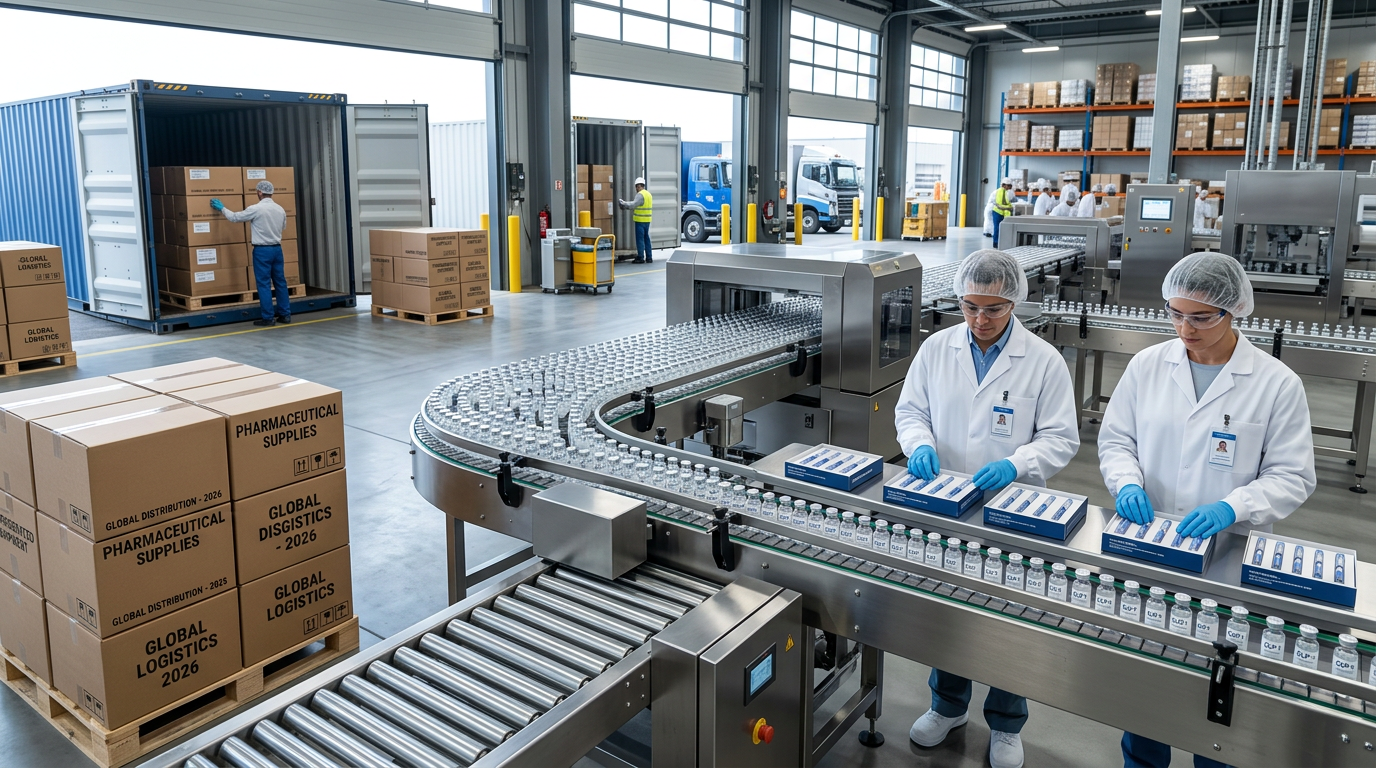
Here’s where I’m at: if GLP-1 penetration keeps climbing, the practical opportunities may sit in the picks-and-shovels layer – contract manufacturing, specialty packaging, cold-chain logistics, and select procedure-enablers in medtech as patients become eligible for interventions they previously couldn’t tolerate.
Worth a look: map the bottlenecks first, then work backward to the public companies that get paid when those bottlenecks clear. The part people skip is that the “drug story” is already widely owned. The infrastructure story still isn’t.