The quarter that Booking Holdings reports Tuesday night after the close was not a gentle one for the travel industry. In March 2026, crude oil prices surged as conflict-related disruptions tightened supply, and shipping through the Strait of Hormuz was impeded, a chokepoint that previously carried about a fifth of the world’s oil and natural gas shipments. Jet fuel prices hit the equivalent of $206 a barrel in late October, the highest since the Iran war began. Every business that owns physical travel assets absorbed that shock directly.
Ryanair reported a 15% fall in first-half profit after tax, with revenue up 3% to €10.08 billion while operating costs jumped 10% as the price of its unhedged jet fuel roughly doubled. Hotel operators fared no better in the affected region. Marriott’s EMEA segment saw RevPAR decline over 5% in Q2 2026, with the uplift in Europe unable to offset a 43% RevPAR decline in the Middle East. Marriott owns management contracts, not room inventory, and even that was not enough insulation.
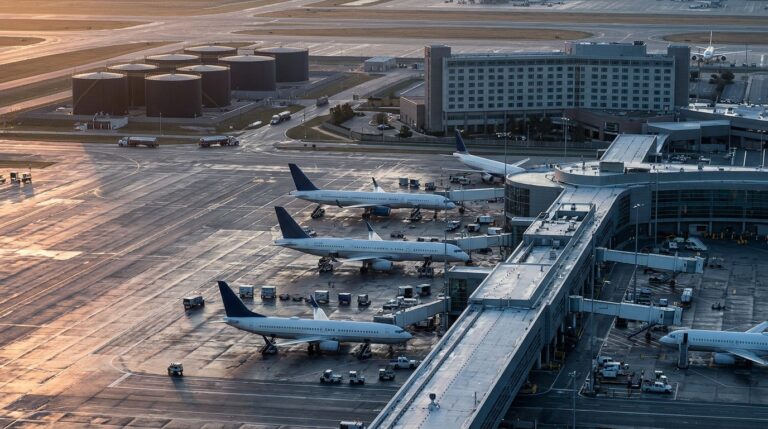
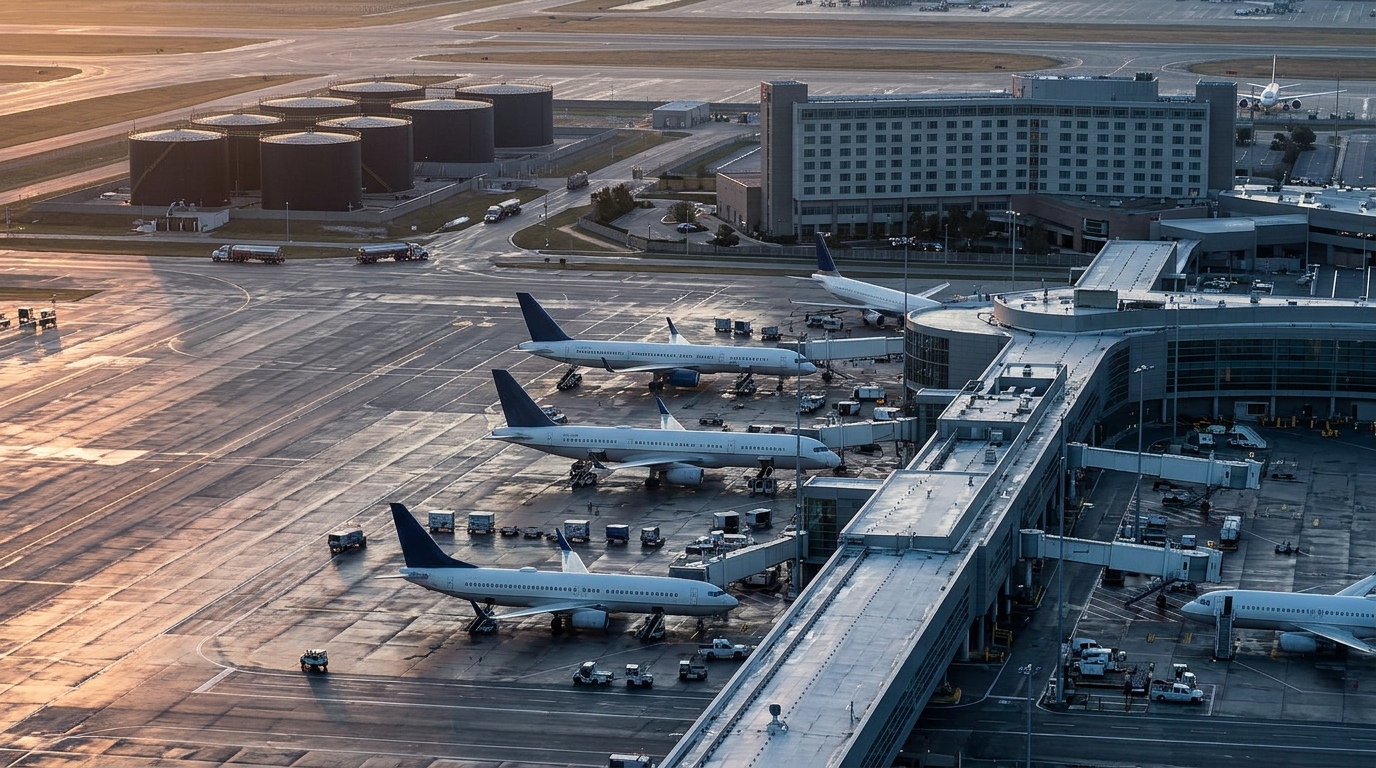
Booking Holdings owns nothing. Unlike traditional travel providers, it does not own physical assets such as aircraft or hotel rooms. Instead, it operates digital marketplaces that connect travelers with travel services, acting as infrastructure behind millions of leisure journeys worldwide. The company’s capital intensity remains low compared with asset-heavy travel peers. That is not a side effect of the business model. It is the business model.
The distinction matters most in a quarter like this one. When jet fuel doubled, Ryanair’s 20% unhedged fuel exposure punished the income statement. When the conflict disrupted the region, Marriott’s Middle East & Africa occupancy sat at 49.5% in Q2. Booking’s economics ran through neither. Its revenue is a take-rate on gross bookings, regardless of whether a flight costs $300 or $600. If high fares compressed volume, that is a problem. If high fares simply moved demand to shorter-haul European routes, Booking collects its commission either way.
Last quarter, nights and seats booked rose 10% year over year to 148.3 million. Free cash flow for the quarter totaled $1.3 billion, and trailing twelve-month free cash flow was $4.8 billion. For Q3, management guided total revenues to grow 4% to 6% and constant-currency revenues to grow 5% to 7% year over year. The consensus sits at roughly $9.54 billion in revenue against $4.49 in earnings per share.
The number that matters most tonight is room-night growth. Management guided Q3 room nights up 3% to 5%, compared with 8% growth in the same period a year ago. That deceleration is real. The guidance assumed the indirect effects of the Middle East conflict would persist, including high flight prices and softer long-haul demand, while management expected slightly less impact than in the second quarter. The Q4 guide will be the more consequential signal, measuring whether consumers are still booking into a war-affected winter or retrenching further.
There are genuine risks. Management tied the weaker revenue outlook to the conflict, noting that higher airline prices and fewer flights on some routes held back long-haul international travel. Marketing costs have been rising, and a business dependent on digital distribution cannot afford to lose search traffic without finding a cheaper replacement. That is a structural concern that outlasts any ceasefire.
But consider what the year’s selloff implies. Shares are down sharply year to date. Booking’s operating margins remain far above the broader market, and the market has priced a cyclical travel downturn into a company that earns its living without filling a single seat or making a bed. Ryanair cannot avoid a $150-a-barrel fuel bill. Booking Holdings can.
The long-term case is simple: global travel is not going away, and the world’s largest travel marketplace can earn more per trip as it shifts toward merchant transactions. The shift to the merchant model can create a negative working capital advantage, meaning it collects cash from travelers before paying suppliers. Compounders are built on exactly that kind of structural cash generation.
Tonight’s report will not resolve the Middle East conflict. What it will clarify is whether Booking’s asset-light model absorbed a brutal quarter for travel as a bruise or a break. The evidence so far suggests the former.