Why Gold and Energy Could Dominate as Markets Enter a High-Risk Q2
Something Big Is Shifting Beneath the Surface of This Market
On the surface, markets still look stable.
Stocks are holding up. Volatility remains contained. And many investors are still positioned as if the same playbook that worked over the past few years will continue to work.
But underneath that surface, something is changing.
A new set of forces is beginning to take control. These forces do not favor high-growth narratives or smooth, predictable trends.
They favor scarcity, disruption, and hard assets.
And as we move into Q2, those forces are starting to collide.
Two Powerful Forces Are Colliding and Markets Aren’t Ready
There are two dominant macro trades emerging right now:
-
The Trump Trade → policy-driven inflation, tariffs, and energy expansion
-
The War Trade → geopolitical instability, supply shocks, and crisis-driven capital flows
Individually, each of these can move markets.
Together, they create something much more powerful and much more dangerous.
They create a feedback loop that drives volatility, inflation pressure, and capital rotation.
And right now, most investors are not positioned for that environment.
Gold Is Sending a Warning Most Investors Are Ignoring
Gold is often misunderstood.
It is not just a fear asset. It is not just a hedge.
It is a signal.
And right now, that signal is flashing.
After a record-setting year, gold continues to hold strength. This is not because of short-term panic. It is because of structural demand and shifting global behavior.
The Smartest Money in the World Is Moving First
Central banks are accumulating gold at historically elevated levels.
This is not speculative money.
This is long-term, strategic capital.
When central banks buy gold, they are preparing for a world where currency stability is less certain.
This Isn’t a Rally. It’s a Shift in Trust
Gold’s strength reflects something deeper:
A gradual erosion of confidence in:
-
fiat currencies
-
long-term debt sustainability
-
predictable monetary policy
Gold rises when trust falls.
Gold Rises When Confidence Starts to Crack
And right now, confidence is being tested from multiple directions at once:
-
policy uncertainty
-
geopolitical escalation
-
inflation that refuses to fully disappear
This is not a normal environment.
This is exactly the type of environment gold is built for.
The Trump Trade Is Back and It Changes Everything
Markets are beginning to reprice policy. That matters more than most investors realize.
The current direction of U.S. policy points toward:
-
expanded energy production
-
increased use of tariffs
-
a more aggressive economic posture globally
Each of these has direct market consequences.
Energy Is Being Unleashed Again
Policy is shifting toward accelerating domestic oil and gas production and expanding LNG exports.
That creates a powerful tailwind for energy companies, especially in the U.S.
Tariffs Could Reignite Inflation Overnight
Tariffs do not just affect trade.
They affect:
-
supply chains
-
input costs
-
consumer prices
Tariffs are inflationary, and markets know it.
Policy Is Becoming a Market Catalyst Again
For years, policy sat in the background.
Now it is moving to the front.
And that shift alone increases uncertainty and volatility.
Markets do not like unpredictability. But certain assets thrive on it.
Energy Is No Longer a Trade. It’s the Center of the Story
Energy has quietly moved from a cyclical sector to a strategic one.
This is no longer just about supply and demand.
It is about security, infrastructure, and global power dynamics.
The World Just Lost a Massive Amount of Supply
Geopolitical conflict has disrupted critical energy flows.
Oil and gas are no longer moving freely. That matters.
When supply is constrained, prices do not move gradually. They spike.
Natural Gas May Be the Most Overlooked Opportunity
While oil gets the headlines, natural gas is becoming increasingly critical:
-
LNG exports are rising
-
global demand is expanding
-
the U.S. is a dominant supplier
Natural gas is transitioning from a regional fuel to a global asset.
AI Is Quietly Driving a New Energy Boom
There is another layer most investors are missing.
AI.
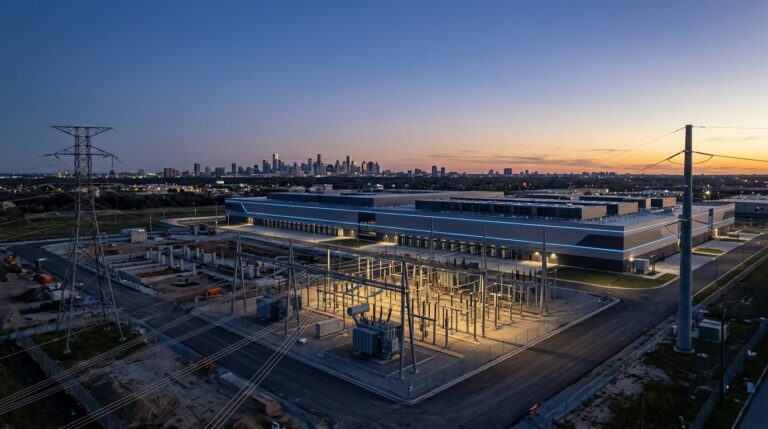
Data centers require enormous amounts of power. Natural gas is a primary source.
The AI boom is, indirectly, an energy boom.
The War Trade Is No Longer Optional
Geopolitics is no longer a background risk.
It is actively driving markets.
Conflicts in key regions, especially those tied to energy supply, are now directly impacting prices, flows, and expectations.
Energy Markets Are Now Controlled by Conflict
Energy is no longer purely economic.
It is geopolitical.
Supply can change overnight, not because of demand, but because of disruption.
Every Escalation Has Immediate Market Consequences
Markets react instantly to geopolitical developments:
-
oil spikes
-
safe-haven demand rises
-
volatility increases
This is no longer theoretical.
It is happening in real time.
This Is No Longer a Contained Risk
What used to be localized conflicts now have global implications.
Energy, trade routes, and financial markets are interconnected.
There is no isolation anymore.
Here’s Where Everything Starts Feeding on Itself
This is where the real risk and opportunity emerges.
Each of these forces does not exist independently.
They reinforce each other.
Oil Spikes → Inflation Rises → Gold Follows
Higher energy prices feed directly into inflation.
When inflation rises, gold responds.
Energy drives the shock. Gold reflects the consequence.
Policy Uncertainty Amplifies Every Move
Tariffs, fiscal policy, and geopolitical positioning all add uncertainty.
That uncertainty magnifies market reactions.
Small shocks become large moves.
This Is How Volatility Becomes Self-Sustaining
Once this cycle starts, it feeds itself:
-
higher prices
-
more uncertainty
-
more hedging
-
more volatility
This is how stable markets become unstable, quickly.
Q2 Could Be the Breaking Point for This Market
This is where timing matters.
Multiple catalysts are converging in Q2:
-
policy expectations becoming more concrete
-
ongoing geopolitical instability
-
energy market disruption
-
persistent inflation pressure
Inflation Is Starting to Reaccelerate
Energy is one of the largest inputs into inflation.
If energy rises, inflation follows.
Inflation is already proving harder to contain than expected.
The Fed Has Fewer Options Than Investors Think
The Federal Reserve is balancing:
-
growth concerns
-
inflation risks
-
financial stability
That is a narrow path.
There is less room for error than markets are pricing in.
Markets Are Positioned for the Wrong Outcome
Many investors are still positioned for:
-
falling rates
-
stable inflation
-
continued growth leadership
If that assumption breaks, repositioning could be fast and disorderly.
Where Smart Money Moves When Stability Breaks Down
In volatile environments, capital does not disappear.
It moves.
And historically, it moves toward assets with:
-
tangible value
-
pricing power
-
defensive characteristics
Energy Captures the Upside of Scarcity
When supply tightens and demand holds, energy benefits.
Energy is the profit side of disruption.
Gold Protects Against What Comes Next
Gold does not depend on growth.
It depends on uncertainty.
Gold is the protection side of disruption.
Hard Assets Thrive When Financial Assets Struggle
In environments where:
-
inflation is uncertain
-
policy is unpredictable
-
growth is uneven
Hard assets tend to outperform.
This Is How Market Regimes Change
Market leadership does not last forever.
It shifts, often when investors least expect it.
Those shifts are rarely smooth.
They are driven by:
-
shocks
-
structural changes
-
new constraints
What worked in the last cycle may not work in the next one.
The shift has already started. Most investors just have not recognized it yet.
Final Thought
Q2 is not just another quarter.
It may be the moment where multiple forces, including policy, war, energy, and inflation, collide in a way that reshapes markets.
The question is not whether volatility is coming.
It is whether you are positioned for it.
Disclaimer
This report is for informational and educational purposes only and should not be considered investment advice. The views expressed are based on publicly available information and are subject to change without notice.
Nothing in this report constitutes a recommendation to buy, sell, or hold any security, commodity, or financial instrument. Investing involves risk, including the potential loss of principal.
You should conduct your own research, consider your financial situation, and consult with a qualified financial advisor before making any investment decisions. Past performance is not indicative of future results.
About the Author