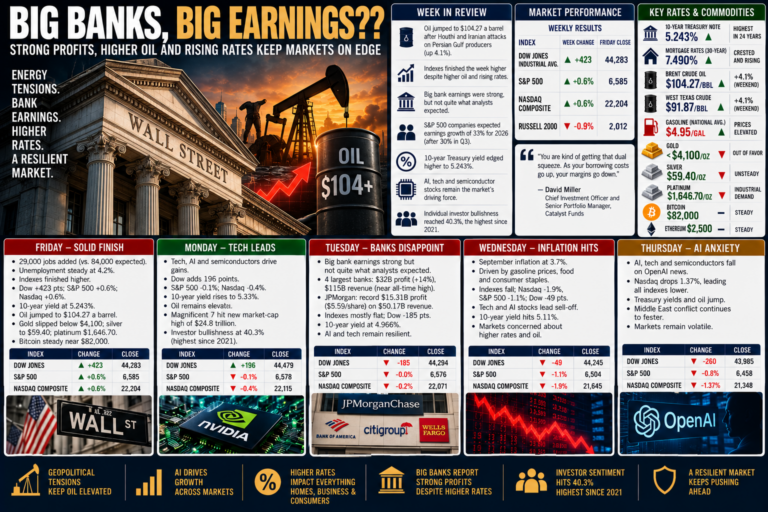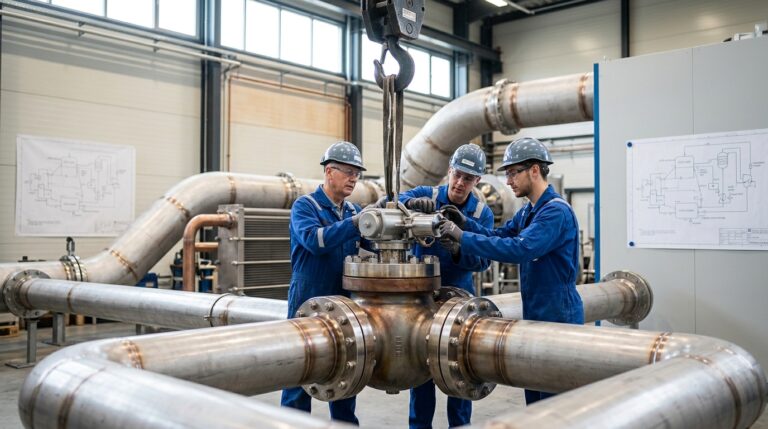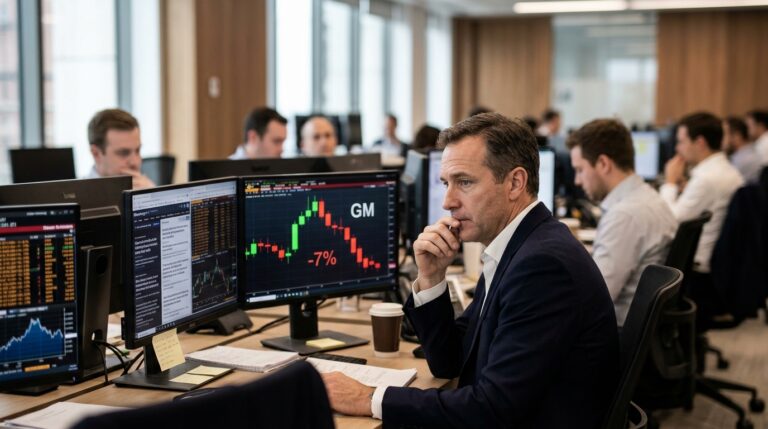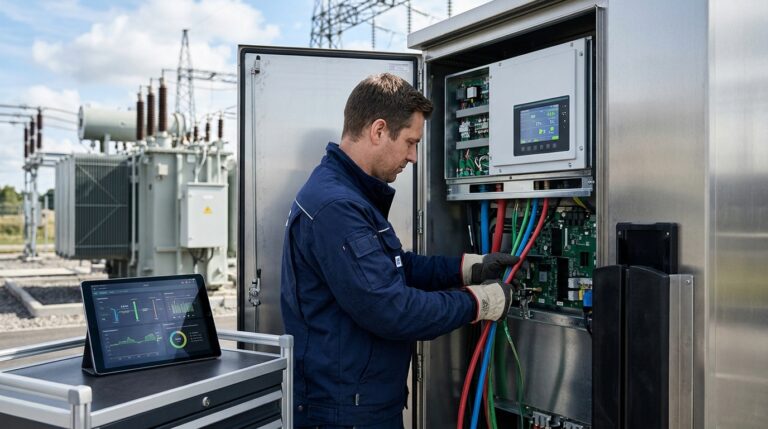

Dutch TTF front-month gas is sitting near €74/MWh this morning, barely off this week’s intraday highs, and up sharply over the past month. Year over year, prices are dramatically higher. UK gas prices have also surged to multi-year highs. This is the energy market’s most consequential move right now, and it is directly reshaping the trading day in utilities, industrials, and LNG names.
Market Snapshot
European natural gas climbed further toward the mid-€70s/MWh range after touching the highest intraday levels since January 2023, as traders assessed fresh US strikes tied to the Strait of Hormuz and the risk of disruption to shipping through the corridor.
Reports of Iran launching missiles at US sites in Jordan have added to the risk premium. Any meaningful reduction in Gulf shipping availability tightens the global LNG balance and forces Europe to compete more aggressively for alternative cargoes into the winter heating season. That physical reality is doing most of the work in this rally.
Stocks in Focus
- Shell (SHEL): One of Europe’s largest LNG traders and a direct beneficiary of elevated gas prices. Over the weekend and into early this week, reports of renewed US strikes tied to Hormuz risk helped push oil prices higher and pulled energy majors up with them. Shell completed its acquisition of ARC Resources on September 2, adding Canadian gas production at a moment when any incremental supply carries premium value.
- TotalEnergies (TTE): TotalEnergies holds one of the largest LNG portfolios among the majors, giving it direct exposure to a TTF spike.
- Cheniere Energy (LNG): The US exporter is the logical destination for European cargo demand when Gulf LNG is constrained. Cheniere raised its 2026 consolidated adjusted EBITDA guidance to $7.9-$8.4 billion and distributable cash flow guidance to $5.3-$5.8 billion. Every week Hormuz stays restricted tightens the arbitrage in Cheniere’s favor.
- BASF (BASFY): The German chemicals giant sits on the other side of this trade. Cheniere and BASF signed a long-term LNG sale and purchase agreement under which BASF purchases up to 0.8 million tonnes per annum. Even with that hedge in place, gas in the mid-€70s/MWh range squeezes European industrial margins hard.
The Goldman Scenario Traders Are Pricing
Goldman Sachs has said TTF gas prices could exceed €100/MWh for December 2026 in an extended disruption scenario tied to the Strait of Hormuz and competition for LNG with Asia. A move above €100/MWh this winter would have severe knock-on effects for European industrial demand, power prices and inflation.
In an August update cited in market coverage, Goldman raised its Q4 2026 forecast to about €53/MWh from €40/MWh previously. The market is already trading well above that base-case level. The gap between Goldman’s base case and current prices is precisely the risk premium traders are debating this morning.
Storage: The Real Pressure Point
European gas storage is around the low-60% range of capacity in late August, well below recent seasonal norms. With storage still lagging its usual seasonal levels, an extended disruption would leave the region more exposed to sharper price volatility once colder weather arrives.
Russian state media has characterized injections into EU storage this August as among the weakest in recent years based on Gas Infrastructure Europe data, underscoring how little cushion Europe has if the LNG balance stays tight into early winter.
The Cheat Sheet
- Top Market Theme: Hormuz LNG risk is resetting European winter energy costs faster than storage can compensate.
- Stock to Watch: Cheniere (LNG). Every constrained Gulf cargo that cannot reach Europe strengthens Cheniere’s position as the alternative supplier of choice.
- Sector to Watch: Energy. LNG exporters and integrated majors are in focus; European industrials like BASF face the cost side of the same move.
- Biggest Risk: A de-escalation in Hormuz reopens Gulf LNG supply faster than Goldman’s slow-normalisation scenario assumes, unwinding the premium sharply.
- Biggest Opportunity: LNG exporters and European gas producers with unhedged production into a market that may still be pricing December at a steep discount to Goldman’s €100 scenario.
- One Thing to Remember: Storage is the arbiter here. The next data point showing whether Goldman’s scenario is playing out is the pace of storage filling through September and October, along with how much LNG Europe manages to divert from Asia before the heating season begins.