October 28, 2026
Orders nearly doubled, Wind turned profitable for the first time in years, and EPS came in $0.81 ahead of consensus
Cash first, questions later
Here’s how most same-day options traders work.
They pay for a contract. They watch the screen. And they only make money if the market cooperates before the bell.
There’s another way to play expiration day.
The cash comes in first – the moment the trade is placed.
Then the clock goes to work for you instead of against you.
It isn’t magic, and it isn’t risk-free. But it flips the whole game around, and I explain it in plain English in a new report called The 0DTE Game Plan.
It sells for $29.97 on our website. Today, it is yours free.
The numbers GE Vernova put up this morning were almost uniformly strong. Revenue of $12.64 billion came in ahead of the $12.0 billion consensus. Adjusted EPS landed at $4.81 against an expected $4.00. Order intake surged to $29 billion, nearly doubling organically by 96%, driven primarily by strong demand in the Power segment and sustained service strength. And yet the stock slid. That tension between a blowout quarter and a lower share price is the day’s real lesson.
What the Quarter Actually Showed
Power segment revenue reached $6.1 billion, up 25% year over year, with EBITDA margin expanding 830 basis points organically to 21.4% as the segment began shipping from a higher-priced backlog. That is not incremental improvement. It is evidence that the pricing discipline management has been talking about for six quarters is now flowing through the income statement.
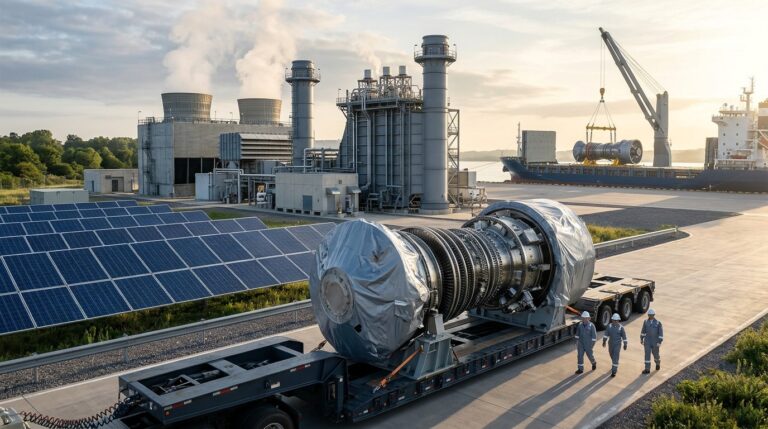
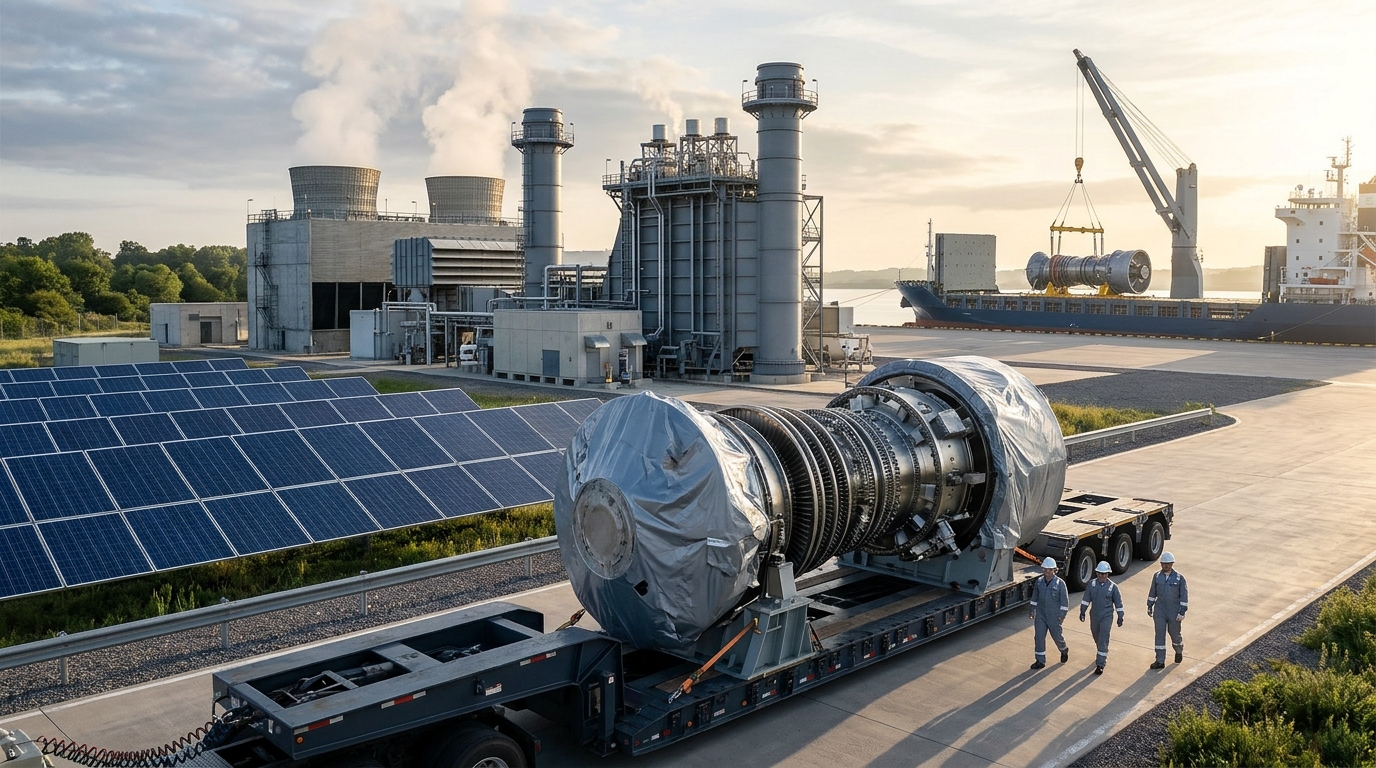
Gas power equipment under contract reached 122 gigawatts, with 32 turbine shipments in the quarter and 11 gigawatts of new agreements signed. That stopped short of the 125 GW year-end target management committed to, and well short of the 130-140 GW range analysts at Jefferies had implied the market was pricing. The delta between what was delivered and what was expected is a clean explanation for the stock’s reaction.
Electrification revenue grew 16% organically to $3.9 billion, and the Electrification backlog reached $42.2 billion, a 60% year-over-year increase supported by strong demand from data center customers and utilities. Data center orders alone came in at $1.4 billion for the quarter, bringing the year-to-date Electrification total above $6 billion.
Wind, which has been the segment drag for the better part of two years, finally turned the corner. Wind EBITDA came in at $72 million, marking a return to profitability due to improved onshore services margins and lower offshore project costs. The Q2 loss was $275 million. That reversal is significant and was not priced into most models heading into the call.
Live… From Inside Cybercab
I’m about to get into this Cybercab… and it’s going to take me to what Elon Musk called…
“The most epic AI project ever.”
Click here and come with me on this ride…
Because this is all part of Elon Musk’s $320 trillion masterplan.
The Trench Acquisition and the Doubled Buyback
The company announced a $9 billion acquisition of Trench Group to bolster its grid manufacturing capabilities. The deal represents a 13-fold 2028 EBITDA multiple for a high-voltage grid equipment leader, with closing expected in late 2027. On first read, a $9 billion deal at 13x forward EBITDA into a busy integration calendar is the kind of announcement that gives short-sellers a talking point. Whether that multiple is justified depends entirely on where high-voltage grid equipment demand sits in two years, which is not a question this quarter’s results can answer.
GE Vernova simultaneously doubled its share repurchase authorization from $10 billion to $20 billion, after repurchasing 15.6 million shares through October 23. The company acquired those shares at an average price of approximately $635. That is a meaningful return of capital signal from management. It also creates a natural floor dynamic that traders should track if the post-earnings selloff deepens.
Guidance: Raised Again
Full-year 2026 revenue guidance was raised to $46.5 billion to $47.5 billion, up from the prior range of $45.5 billion to $46.5 billion. Free cash flow guidance was lifted to $16 billion to $17 billion, from the prior $11.5 billion to $12.5 billion range. Both raises were material. The free cash flow revision in particular, a $4.5 billion lift at the midpoint, suggests that cash conversion is running well ahead of any model built on the Q2 baseline.
Cash from operations in Q3 was $6.057 billion and free cash flow was $5.409 billion. The cash balance ended the quarter at $16.8 billion, a $4 billion sequential increase even after returning $1.8 billion to shareholders during the period.
5 Stocks to Buy for Q4 2026
This year has thrown the market a war with Iran, $100 oil and the Fed’s first rate hike since 2023. Stocks climbed anyway. This free report reveals 5 companies with the earnings and catalysts to finish 2026 strong. See which ones made our list.
The Trader’s Lesson
GE Vernova’s session today is a textbook case of what happens when a stock is priced for perfection and delivers excellence instead. The two are not the same thing. Orders nearly doubled. Margins expanded sharply. Wind turned profitable. Cash generation was exceptional. Guidance went up. And the stock fell.
The gas backlog at 122 GW stopped short of the 125 GW year-end target. The Trench acquisition introduced a new $9 billion variable into a model investors thought they understood. Those two facts were enough to push the stock lower on a day when almost nothing else went wrong. That is the discipline the market is enforcing on high-multiple, high-expectation names right now: the threshold for a reward is not a beat. It is a beat that also eliminates every remaining uncertainty. GEV cleared most of the bar, not all of it. Traders who understand that distinction will read the next quarter’s setup more clearly than those who simply chase the headline EPS number.