Markets don’t need a sellout to be right. They only need one less reason to be wrong. The iPhone 18 Pro gave them one Saturday morning, and the options market has not fully absorbed it yet.
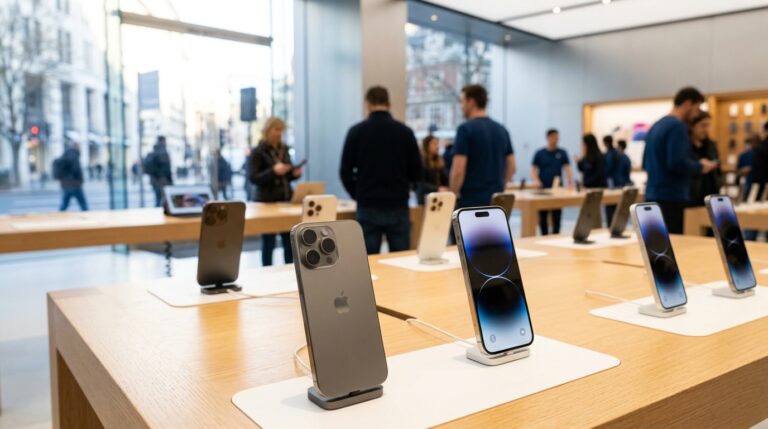
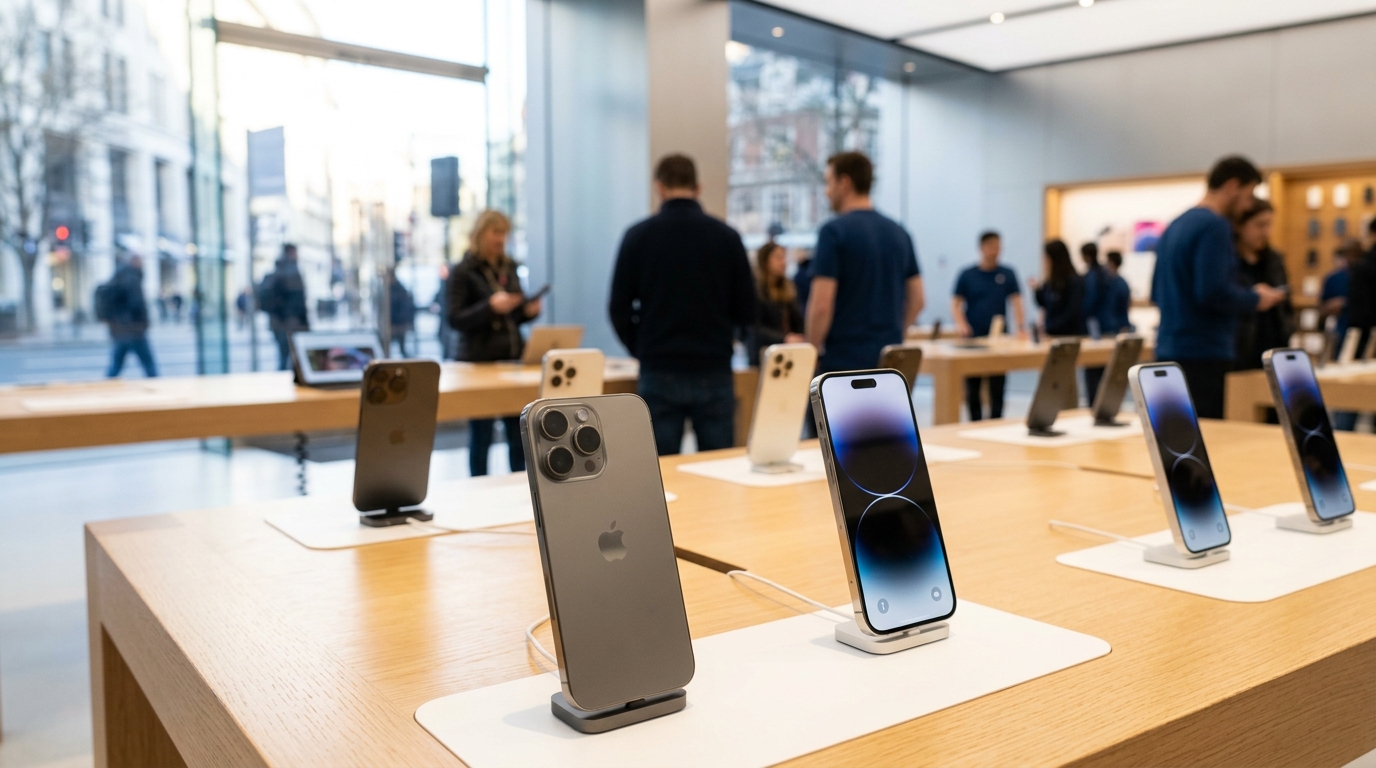
At 8:30 a.m. ET on September 12, thirty minutes after pre-orders opened in the United States, no color or configuration of the iPhone 18 Pro showed any shipping delays in the U.S. Every SKU, on time. For context: in prior cycles, the Pro line typically slipped within minutes of pre-order opening, and shipping windows stretching into October were a reliable signal of strong pull-through demand. That signal is missing this year. AppleInsider reported the iPhone 18 Pro’s lack of early U.S. shipping delays at the half-hour mark. MacRumors reported that, depending on configuration, some models later moved to longer waits.
The Numbers Behind the Quiet Open
Apple priced the iPhone 18 Pro at $1,199 with 256GB base storage, a $100 increase over the iPhone 17 Pro’s $1,099 starting price. The Pro Max opens at $1,299, also starting at 256GB. Those prices were set against a memory market in genuine distress: TrendForce estimated third-quarter 2026 conventional DRAM contract prices rising 13% to 18%, with NAND Flash up 10% to 15%.
Apple has leaned heavily on Micron for iPhone memory in this cycle, with additional supply from SK hynix and Samsung, according to MacRumors reporting ahead of launch. The iPhone 18 Pro and Pro Max use Apple’s A20 Pro, which has been widely described as a 2-nanometer-class chip.
The slow open has at least two explanations, neither fully excludable. Either Apple built more supply than the prior memory-shortage warnings implied, or consumer appetite at $1,199 is softer than Wall Street’s December quarter model assumes. AppleInsider noted both possibilities directly. The options market has not picked a lane.
What the Options Market Is Pricing
AAPL’s 30-day implied volatility stood at 27 heading into the September 9 event week, sitting roughly mid-range within its 52-week band of 18 to 33. That reading put IV rank near the middle of the annual range. Calls were more active than puts into the event, but the call-to-put ratio reported into the September 9 product event was 2.1:1, not 1.7:1. With AAPL trading near $332 post-event, the December expiration is now carrying the full weight of two sequential catalysts: launch-week unit data and the holiday-quarter guidance Apple provides with its fiscal Q4 earnings report.
This is not about whether the iPhone 18 Pro is a good phone. It is about whether unit volumes into December can justify a price-action bid that already reflects foldable iPhone enthusiasm and a gross margin that management has guided in the 47% to 48% range recently. If the December quarter guide disappoints because Pro demand ran below expectations, that gross margin becomes the next target.
Options Structure: Three Frameworks
Bull case. If you believe the slow open reflects supply readiness rather than demand softness, and that total sell-through over the launch weekend confirms Apple’s internal targets, a defined-risk structure on AAPL would express that through a December call spread, buying the 340 strike and selling the 360 strike. Premium cost is capped, participation is tied directly to a December guide beat.
Bear case. For traders expecting the pre-order read to translate into a unit miss on the December guide, a put spread buying the 310 strike and selling the 285 strike into December expiration provides defined downside exposure. A defined-risk put spread captures the guide-down scenario without requiring catastrophe.
Neutral case. With IV near mid-range and two known catalysts ahead, launch-week sell-through data and fiscal Q4 earnings, a strangle or iron condor centered on current levels and sized to the expected move exploits any overpricing of vol relative to realized moves. AAPL has historically delivered post-earnings realized moves smaller than the implied move in several of the last eight quarters.
Risk and Forward Outlook
The foldable iPhone Duo is a separate demand pool, and analyst debate over its addressable market remains active. The December quarter guide is Apple’s first real answer to whether a $1,199 Pro, set against a memory cost surge and a softer consumer, can move the volume the street needs. Pre-order shipping data through launch day on September 18 will sharpen that picture considerably.
Action Checklist
- Track Pro and Pro Max shipping windows daily through September 18 for demand confirmation or deterioration
- Note AAPL IV rank heading into fiscal Q4 earnings; a move above 70th percentile justifies premium-selling structures
- For bullish defined-risk bias: December 340/360 call spread
- For bearish defined-risk bias: December 310/285 put spread
- Watch Micron (MU) and SK hynix for any memory supply commentary that revises the cost picture between now and October earnings
- Monitor TSMC order data; any loosening of 2-nanometer allocation signals improved iPhone build rates and bullish for the guide